

Science & Nature

Criteria:
  • Category = Science & Nature
  • A Cabinet of Quadrupeds with historical and scientific descriptions; by CHURCH, John
    CHURCH, John
    A Cabinet of Quadrupeds with historical and scientific descriptions; Consisting of highly-finished engravings, by James Tookey.

    London: Darton and Harvey, 1805. First Edition. Two volumes bound as one. With titles, two engraved titles and 84 copper plate engravings (complete). The plates with decorative animal illustrations by J. Tookey after J. Ibbetson. Half calf binding with brown boards. The boards are somewhat stained. The binding is rubbed to the corners and edges. The gilt decoration and titles to the spine are still attractive though. Has the ownership signature of G. Goldney, Buckfield to the front end paper. Small bookshop stamp of Paul A Struck of New York to the inside board. Some of the pages and plates have light water staining (a couple there is more distinct staining), and there is light foxing in places. Pages…

    (more)

    London: Darton and Harvey, 1805. First Edition. Two volumes bound as one. With titles, two engraved titles and 84 copper plate engravings (complete). The plates with decorative animal illustrations by J. Tookey after J. Ibbetson. Half calf binding with brown boards. The boards are somewhat stained. The binding is rubbed to the corners and edges. The gilt decoration and titles to the spine are still attractive though. Has the ownership signature of G. Goldney, Buckfield to the front end paper. Small bookshop stamp of Paul A Struck of New York to the inside board. Some of the pages and plates have light water staining (a couple there is more distinct staining), and there is light foxing in places. Pages a touch darkened. Overall, a nice copy though. Unpaginated. Julius Caesar Ibbetson (1759-1817), was a Yorkshire painter noted for his rural scenes and depictions of animals. This is the first printing of an important work of natural history, which was re-printed in 1848/9. 330 by 260mm (13 by 10¼ inches).

    . Première édition. Deux volumes reliés en un seul. Avec les titres, deux titres gravés et 84 gravures sur cuivre (complètes). Les planches avec des illustrations d'animaux décoratifs par J. Tookey d'après J. Ibbetson. Reliure en demi-veau avec des planches brunes. Les planches sont légèrement tachées. Les coins et les bords de la reliure sont frottés. La décoration et les titres dorés au dos sont encore attrayants. La signature de G. Goldney, Buckfield, figure sur la première page de garde. Petit cachet de librairie de Paul A Struck of New York à l'intérieur de la planche. Certaines pages et planches présentent de légères taches d'eau (quelques taches plus nettes) et de légères rousseurs par endroits. Les pages sont un peu noircies. Dans l'ensemble, un bel exemplaire. Non paginé. Julius Caesar Ibbetson (1759-1817) était un peintre du Yorkshire connu pour ses scènes rurales et ses représentations d'animaux. Il s'agit de la première impression d'un important ouvrage d'histoire naturelle, qui a été réimprimé en 1848/9. 330 x 260 mm.

    (less)
    Book ID: 4510
    View basket More details Price: £600.00
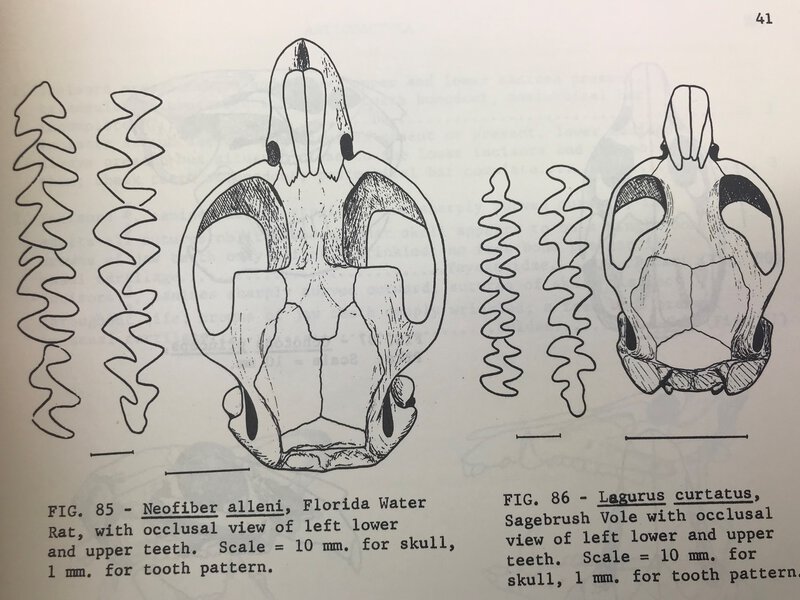
  • A Key to the Skulls of North American Mammals by GLASS, Bryan P.
    GLASS, Bryan P.
    A Key to the Skulls of North American Mammals

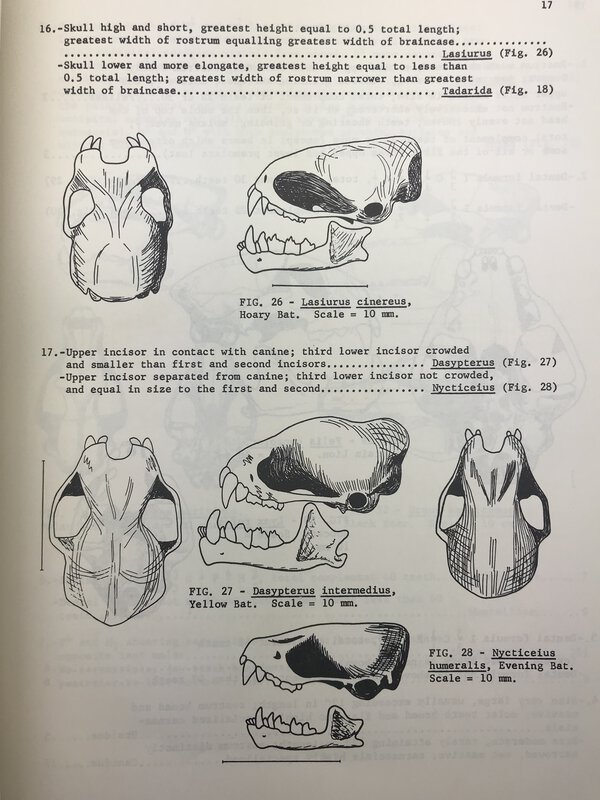
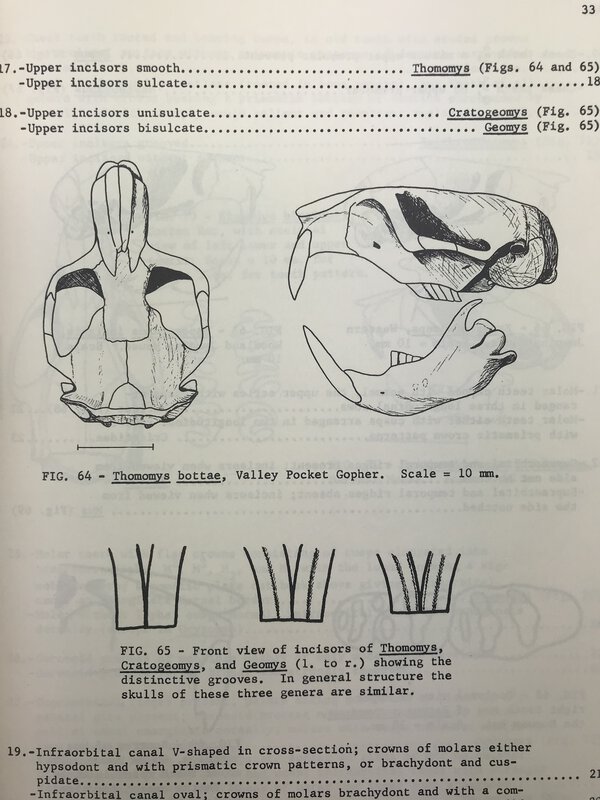
    Stillwater: Oklahoma State University, 1965. Signed dedication by Bryan P. Glass to the front in ink. Illustrated pale green paperback covers, with green cloth spine. Front cover is age toned to the very edges. Copyright 1951, but this is stated as the seventh printing from 1965. Illustrated with over 100 b/w fascinating anatomical drawings. Clean inside. 53 pages. 280 x 215 mm (11 x 8½ inches).

    Book ID: 3049
    View basket More details Price: £20.00
  • Acoustique biologique. Phénomènes physiques de la phonation et de l'audition by GAVARRET, J.
    GAVARRET, J.
    Acoustique biologique. Phénomènes physiques de la phonation et de l'audition Avec 100 figures dans le texte

    Paris: G. Masson, 1877. First edition. Original pale green soft covers with an engraving of a sound machine to the front cover. Covers are sound but a little chipped to the corners of the front and rear covers. The spine has been reinforced. The binding has clearly been split at some point, but is now restored. two very small worm holes to the soft covers and title pages. The book itself is clean and tidy throughout, but with light foxing spots. Contents: Preliminary concepts I. Mode of sound propagation. Speed ​​of sound propagation. Reflection of sound. Refraction of sound II. Sound qualities. Musical intervals. Range. Musical scale. Harmonic sounds III. Vibrations of gases, solids and liquids. Vibration form IV.…

    (more)

    Paris: G. Masson, 1877. First edition. Original pale green soft covers with an engraving of a sound machine to the front cover. Covers are sound but a little chipped to the corners of the front and rear covers. The spine has been reinforced. The binding has clearly been split at some point, but is now restored. two very small worm holes to the soft covers and title pages. The book itself is clean and tidy throughout, but with light foxing spots. Contents: Preliminary concepts I. Mode of sound propagation. Speed ​​of sound propagation. Reflection of sound. Refraction of sound II. Sound qualities. Musical intervals. Range. Musical scale. Harmonic sounds III. Vibrations of gases, solids and liquids. Vibration form IV. Superposition of vibratory movements. Sound wave interference. Faculty of ear analysis. Simple, compound, complex sounds V. Analysis of sounds by the phenomenon of influence and by the ear VI. On the timbre of musical sounds (string and wind instruments) VII. Of phonation VIII. Hearing Note A. Speed ​​of sound propagation Note B. Vibrations of solid bodies Note C. Theories of phonation (from Hippocrates to Louis Vacher) Note D. Mechanism of the apparatus for transmitting the vibratory movement of the tympanic membrane to the liquid of the labyrinth. 600 pages. 225 by 140mm (8¾ by 5½ inches).

    . Première édition. Couvertures souples originales vert pâle avec une gravure d'une machine à son sur la couverture avant. Les couvertures sont saines, mais les coins des couvertures avant et arrière sont légèrement ébréchés. Le dos a été renforcé. La reliure a manifestement été fendue à un moment donné, mais elle est maintenant restaurée. Deux très petits trous de vers sur les couvertures souples et les pages de titre. Le livre lui-même est propre et bien rangé, mais présente de légères rousseurs. Table des matières : Concepts préliminaires I. Mode de propagation du son. Vitesse de propagation du son. Réflexion du son. Réfraction du son II. Qualités du son. Intervalles musicaux. Gamme. Échelle musicale. Sons harmoniques III. Vibrations des gaz, des solides et des liquides. Forme des vibrations IV. Superposition des mouvements vibratoires. Interférence des ondes sonores. Faculté d'analyse de l'oreille. Sons simples, composés, complexes V. Analyse des sons par le phénomène d'influence et par l'oreille VI. Sur le timbre des sons musicaux (instruments à cordes et à vent) VII. De la phonation VIII. L'audition Note A. Vitesse de propagation du son Note B. Vibrations des corps solides Note C. Théories de la phonation (d'Hippocrate à Louis Vacher) Note D. Mécanisme de l'appareil de transmission du mouvement vibratoire du tympan au liquide du labyrinthe. 600 pages. 225 x 140 mm

    (less)
    Book ID: 4438
    View basket More details Price: £90.00
  • Album de L'Internat 1937-1938 by COLLECTIF.
    COLLECTIF.
    Album de L'Internat 1937-1938

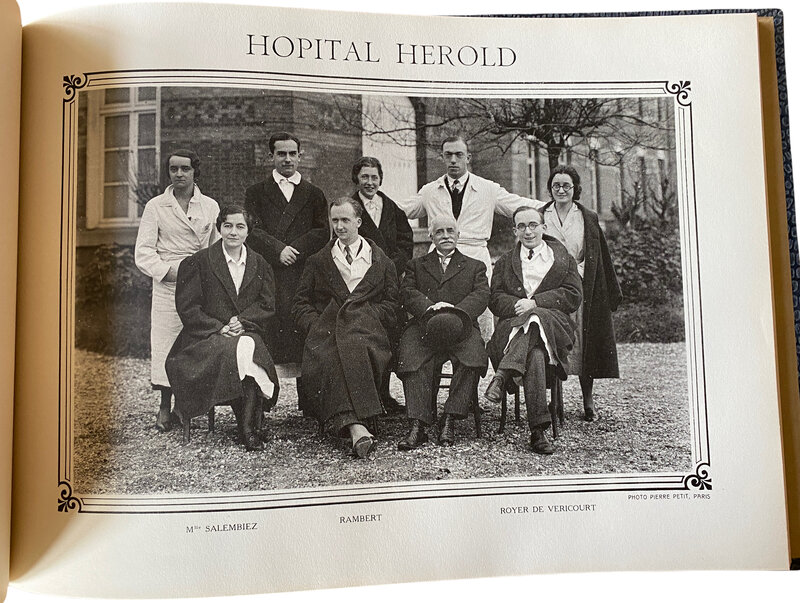
    Paris: Société des eaux minérales de Vittel, 1937. First Edition. Publisher binding of artificial crocodile / snakeskin. Framed with double gilt fillets on the front board. Brown cloth spine. Clean and tidy boards with just a little marking to the rear board. The book has been bound with three staples, and this has broken open to the title page, so although the binding is firm, it falls open to the title (see photograph). Pages are clean but the title is a little darkened. Otherwise in very good condition. After a photograph of the Comité de L'Internat (with the member's names below) there follows 29 hospitals visited. For each, there is a photograph of the interns / hospital staff with…

    (more)

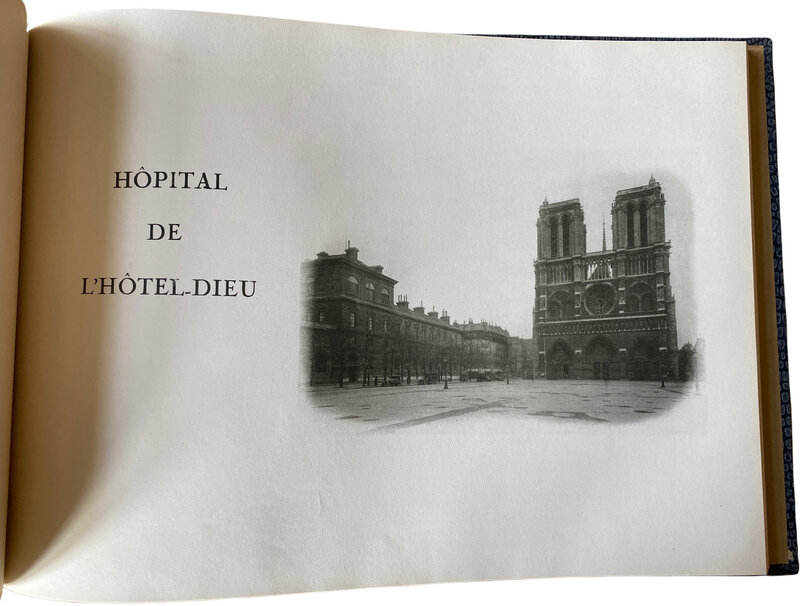
    Paris: Société des eaux minérales de Vittel, 1937. First Edition. Publisher binding of artificial crocodile / snakeskin. Framed with double gilt fillets on the front board. Brown cloth spine. Clean and tidy boards with just a little marking to the rear board. The book has been bound with three staples, and this has broken open to the title page, so although the binding is firm, it falls open to the title (see photograph). Pages are clean but the title is a little darkened. Otherwise in very good condition. After a photograph of the Comité de L'Internat (with the member's names below) there follows 29 hospitals visited. For each, there is a photograph of the interns / hospital staff with names. There is also one or more photographs of the hospitals / staff often in amusing poses or in amusing situations. A rare item. Vittel is a French bottled mineral water company. Founded in 1854, for many years, the company focussed on the curative effects of mineral water. 22.5cm x 31cm.

    . Première édition. Reliure d'éditeur en crocodile artificiel / peau de serpent. Encadrée de doubles filets dorés sur le premier plat. Dos en toile brune. Les planches sont propres et bien rangées, avec juste une petite marque sur la planche arrière. Le livre a été relié avec trois agrafes, et celles-ci se sont brisées à la page de titre, donc bien que la reliure soit ferme, elle s'ouvre à la page de titre (voir la photographie). Les pages sont propres mais le titre est un peu assombri. L'ouvrage est par ailleurs en très bon état. Après une photographie du Comité de L'Internat (avec les noms des membres en dessous) suivent 29 hôpitaux visités. Pour chacun d'eux, il y a une photographie des internes / du personnel hospitalier avec leurs noms. Il y a aussi une ou plusieurs photographies des hôpitaux / du personnel souvent dans des poses amusantes ou dans des situations amusantes. Un objet rare. Vittel est une société française d'eau minérale embouteillée. Fondée en 1854, la société s'est longtemps concentrée sur les effets curatifs de l'eau minérale. 22,5 cm x 31 cm.

    (less)
    Book ID: 4898
    View basket More details Price: £150.00
  • Album No 5 by Établissements LEMOINE
    Établissements LEMOINE
    Album No 5

    Paris: Établissements LEMOINE, 1923. First Thus. This is the fifth hardback trade catalogue by Lemoine, who were a forge, foundry and construction company based in Paris. Dark blue hardback cloth covered boards with gilt titles to the front board and spine. Clean and tidy to the front, but the rear board has staining and damp marks to it. Internally clean and tidy throughout. Full of illustrations and details of metal work objects, for sale by Lemoine. 188 pages plus several loose supplements. 33cm x 28cm. A very nice example of a trade catalogue.

    . Premier exemplaire. Il s'agit du cinquième catalogue relié de Lemoine, une entreprise de forge, de fonderie et de construction basée à Paris. Couvertures en…

    (more)

    Paris: Établissements LEMOINE, 1923. First Thus. This is the fifth hardback trade catalogue by Lemoine, who were a forge, foundry and construction company based in Paris. Dark blue hardback cloth covered boards with gilt titles to the front board and spine. Clean and tidy to the front, but the rear board has staining and damp marks to it. Internally clean and tidy throughout. Full of illustrations and details of metal work objects, for sale by Lemoine. 188 pages plus several loose supplements. 33cm x 28cm. A very nice example of a trade catalogue.

    . Premier exemplaire. Il s'agit du cinquième catalogue relié de Lemoine, une entreprise de forge, de fonderie et de construction basée à Paris. Couvertures en toile bleu foncé avec titres dorés sur le devant et le dos. La couverture est propre et en ordre, mais le dos présente des taches et des marques d'humidité. L'intérieur de l'ouvrage est propre et en ordre. Plein d'illustrations et de détails sur les objets de travail du métal, à vendre par Lemoine. 188 pages plus plusieurs suppléments. 33cm x 28cm. Un très bel exemple de catalogue commercial.

    (less)
    Book ID: 4977
    View basket More details Price: £75.00
  • Alchemy in a Modern Woman by GRINNELL, Robert.
    GRINNELL, Robert.
    Alchemy in a Modern Woman A study in the Contrasexual Archetype

    Zurich: Spring Publications, 1973. First edition. Softback. Published on behalf of the Analytical Psychology Club of New York, this book is a transcript of five lectures given at the Jung institute of Zurich in the autumn of 1971. The author points out that the work is not dealing with therapeutic aspects but dealing with the archetypal background reflecting processes at work in the collective psyche. A good condition work. There is a little marking and soiling to the white portions of the covers. Internally clean throughout. 181 pages. 22cm x 16cm. Cover illustration by Jan Luss.

    . Première édition. Livre souple. Publié au nom du Club de psychologie analytique de New York, ce livre est la transcription de…

    (more)

    Zurich: Spring Publications, 1973. First edition. Softback. Published on behalf of the Analytical Psychology Club of New York, this book is a transcript of five lectures given at the Jung institute of Zurich in the autumn of 1971. The author points out that the work is not dealing with therapeutic aspects but dealing with the archetypal background reflecting processes at work in the collective psyche. A good condition work. There is a little marking and soiling to the white portions of the covers. Internally clean throughout. 181 pages. 22cm x 16cm. Cover illustration by Jan Luss.

    . Première édition. Livre souple. Publié au nom du Club de psychologie analytique de New York, ce livre est la transcription de cinq conférences données à l'Institut Jung de Zurich à l'automne 1971. L'auteur précise que l'ouvrage ne traite pas des aspects thérapeutiques mais de l'arrière-plan archétypal reflétant les processus à l'œuvre dans la psyché collective. Ouvrage en bon état. Les parties blanches des couvertures sont légèrement marquées et salies. L'intérieur est propre. 181 pages. 22cm x 16cm. Illustration de couverture par Jan Luss.

    (less)
    Book ID: 5168
    View basket More details Price: £28.00
  • Amber Eyes by MEANEY. Joseph,
    MEANEY. Joseph,
    Amber Eyes

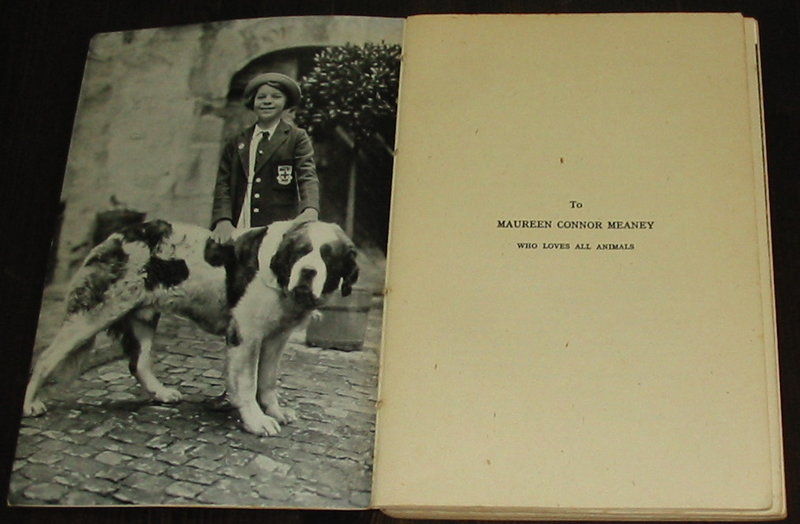
    London: Sands: 1942. Pink card covers. Originally intended to have a dust wrapper, so no titles on the card covers at all. Gift inscription to the front end paper. Frontis photograph and 7 further photographic plates. (Lacks one photograph) The pink card is clean and tidy, with just a touch of darkening to the edges. White mark to the rear panel. Inside, the book is clean and tidy, but on slightly darkened economy wartime paper. Gift inscription to the front end paper (Nov. 1942). 8 of 9 photographs present (lacks "Rags and tatters". An account of dogs that the author has known, and characters who have been involved with dogs. 102 pages.

    Book ID: 1341
    View basket More details Price: £12.00
  • An Account of the Most Approved Mode of Draining Land; according to the System practised by Mr Joseph Elkington. by JOHNSTONE, John.
    JOHNSTONE, John.
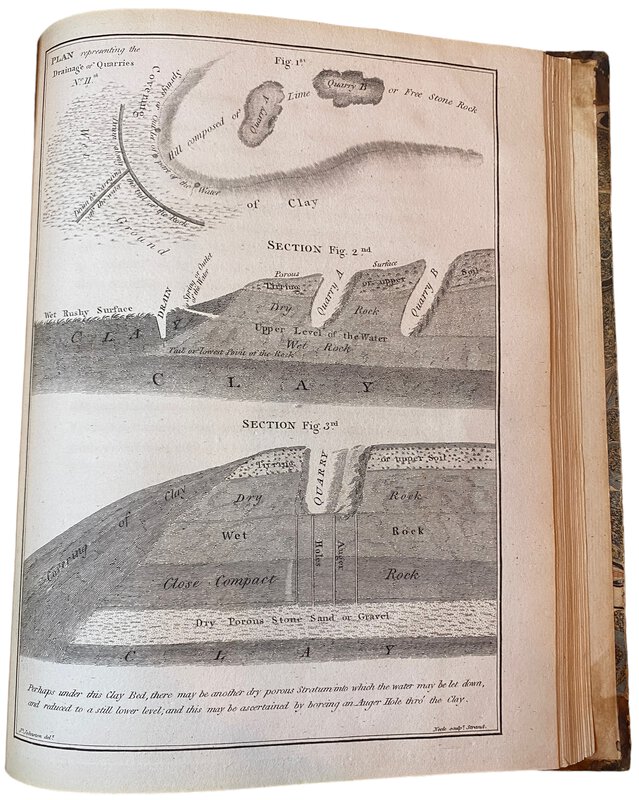
    An Account of the Most Approved Mode of Draining Land; according to the System practised by Mr Joseph Elkington. With an appendix containing hints for the further improvements of Bogs and other Marshy Ground after draining;

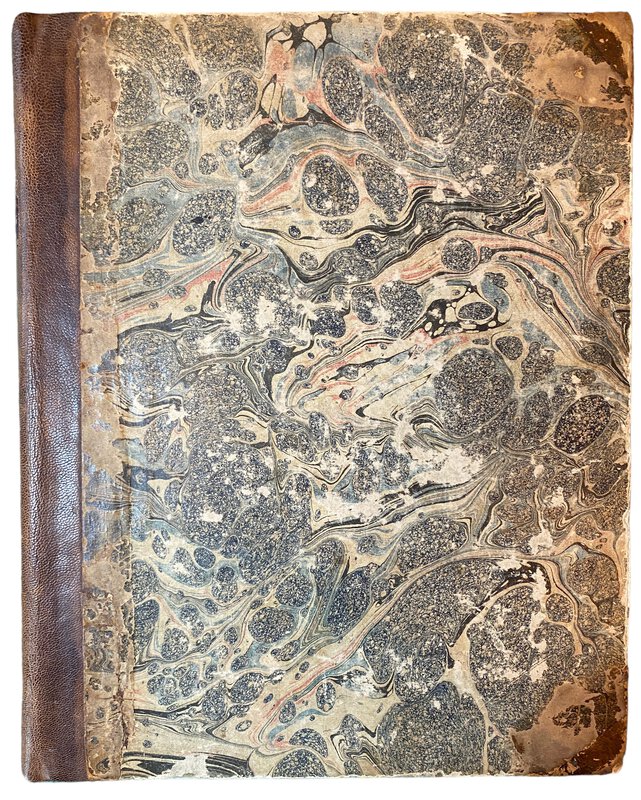
    Edinburgh: Mundell and Son, 1797. Title continues: "Together with observations on hollow and surface draining in general. The whole illustrated by explanatory engravings." Quarter leather with marbled boards. gilt title on label to spine. Owner's bookplate to the inside board. Scarce First Edition. 16 engraved plates (2 folding) - Complete. The binding (later re-back) has been done a little tight, so there is some breaking to the first gather. One of the plates has scuffing to the surface (not particularly noticeable). One leaf of "Conclusion." xv, 182 pp. Large 4to. 270 by 220mm (10¾ by 8¾ inches).

    Johnstone (d. 1838), an Edinburgh surveyor, was promised a grant of £1000 by the recently formed Board of Agriculture to provide…

    (more)

    Edinburgh: Mundell and Son, 1797. Title continues: "Together with observations on hollow and surface draining in general. The whole illustrated by explanatory engravings." Quarter leather with marbled boards. gilt title on label to spine. Owner's bookplate to the inside board. Scarce First Edition. 16 engraved plates (2 folding) - Complete. The binding (later re-back) has been done a little tight, so there is some breaking to the first gather. One of the plates has scuffing to the surface (not particularly noticeable). One leaf of "Conclusion." xv, 182 pp. Large 4to. 270 by 220mm (10¾ by 8¾ inches).

    Johnstone (d. 1838), an Edinburgh surveyor, was promised a grant of £1000 by the recently formed Board of Agriculture to provide a detailed and accurate account of the system of land drainage developed by Joseph Elkington (d. 1806), a farmer in Warwickshire and designer of land drainage systems. Elkington was known to be in poor health, and it was feared that knowledge of his innovations might perish with him. "About 1763 Elkington inherited a farm at Princethorpe, where some years later he discovered, at Long Harold Pits along a geological fault, the method of land drainage for which he is remembered. He discovered by accident, after losing more than 800 sheep to liver rot, how some strata were porous and pervious to water while others were not, and that he could locate the former with the auger used in exploring for marl and coal."-ODNB

    (less)
    Book ID: 3812
    View basket More details Price: £480.00
  • An Early Motor Race. by F de S.
    F de S.
    An Early Motor Race. Un premiére course automobile

    France: NP, 1907. An attractive sketch of a motor race, with two cars battling it out. Ink sketch, bordered with black ink. Dated 1907. The cars, each with a driver and a passenger, are neck and neck, with dust behind them. The certainly appear early cars, with crank handles and solid tyres. They are numbered Two and Four to the radiators. The sheet is clean, but there is edge wear to two sides with loss, this has cut into the black frame, but not the sketch itself. A closed tear intrudes on the left hand side, but could be repaired. The drawing is 21.5cm x 30.5cm on a sheet of 24.5cm x 34cm. Blank verso. Pinholes to the corners.…

    (more)

    France: NP, 1907. An attractive sketch of a motor race, with two cars battling it out. Ink sketch, bordered with black ink. Dated 1907. The cars, each with a driver and a passenger, are neck and neck, with dust behind them. The certainly appear early cars, with crank handles and solid tyres. They are numbered Two and Four to the radiators. The sheet is clean, but there is edge wear to two sides with loss, this has cut into the black frame, but not the sketch itself. A closed tear intrudes on the left hand side, but could be repaired. The drawing is 21.5cm x 30.5cm on a sheet of 24.5cm x 34cm. Blank verso. Pinholes to the corners. Une jolie esquisse d'une course automobile, avec deux voitures qui s'affrontent. Esquisse à l'encre, bordée d'encre noire. Daté de 1907. Les voitures, chacune avec un conducteur et un passager, sont au coude à coude, avec de la poussière derrière elles. Il s'agit certainement de voitures anciennes, avec des manivelles et des pneus pleins. Les radiateurs sont numérotés deux et quatre. La feuille est propre, mais il y a une usure des bords sur deux côtés avec une perte, ce qui a coupé le cadre noir, mais pas le croquis lui-même. Une déchirure fermée apparaît sur le côté gauche, mais elle pourrait être réparée. Le dessin mesure 21,5 cm x 30,5 cm sur une feuille de 24,5 cm x 34 cm. Verso vierge. Trous d'épingle dans les coins.

    (less)
    Book ID: 4882
    View basket More details Price: £275.00
  • Animaux chez Eux by LANÇON, Aug.
    LANÇON, Aug.
    Animaux chez Eux Parts 1 & 2 - Le Lion

    Paris: Ludovic Baschet, 1882. First Edition. This is the deluxe edition, in only 123 numbered copies. This is number 104. The original issue of parts one and two of this work by Lançon. (This was originally issued in 16 parts). This is labelled Numéro 1 - but according to the table / index is part one and two combined. Original blue paper covers. 16 pages. These include 20 engraved illustrations of Lions in their natural habitats, including two full page engravings. The whole is disbound. As a result, the blue covers are moderately nicked and chipped to the edges. Pages themselves are clean and in good condition, although loose. A little damp staining to the bottom edge but fairly…

    (more)

    Paris: Ludovic Baschet, 1882. First Edition. This is the deluxe edition, in only 123 numbered copies. This is number 104. The original issue of parts one and two of this work by Lançon. (This was originally issued in 16 parts). This is labelled Numéro 1 - but according to the table / index is part one and two combined. Original blue paper covers. 16 pages. These include 20 engraved illustrations of Lions in their natural habitats, including two full page engravings. The whole is disbound. As a result, the blue covers are moderately nicked and chipped to the edges. Pages themselves are clean and in good condition, although loose. A little damp staining to the bottom edge but fairly light. A rare item, we can find no copies of any of the original parts for sale (only the later bound up copies). Text throughout the parts is by Jules Valles, Edouard Drumont, Théodore de Banville, Louis Figuier, Bernard Prost and others. 44cm x 33cm.

    . Première édition. Il s'agit de l'édition de luxe, tirée à seulement 123 exemplaires numérotés. Celui-ci porte le numéro 104. Il s'agit de l'édition originale des première et deuxième parties de cette œuvre de Lançon. (L'ouvrage a été publié à l'origine en 16 parties). L'ouvrage est étiqueté Numéro 1 - mais d'après la table / l'index, il s'agit de la première et de la deuxième partie combinées. Couverture originale en papier bleu. 16 pages. Elles comprennent 20 illustrations gravées de Lions dans leur habitat naturel, dont deux en pleine page. L'ensemble est délié. Par conséquent, les couvertures bleues sont modérément entaillées et ébréchées sur les bords. Les pages elles-mêmes sont propres et en bon état, bien qu'elles soient détachées. Une petite tache d'humidité sur le bord inférieur, mais elle est assez légère. Il s'agit d'une pièce rare, nous n'avons trouvé aucune copie des parties originales à vendre (seulement les copies reliées plus tard). Les textes sont de Jules Valles, Edouard Drumont, Théodore de Banville, Louis Figuier, Bernard Prost et d'autres. 44cm x 33cm.

    (less)
    Book ID: 5214
    View basket More details Price: £75.00
  • Anthologie du vin et de L'ivresse en Islam by CHEBEL, Malek
    CHEBEL, Malek
    Anthologie du vin et de L'ivresse en Islam

    Paris: Seuil, 2004. First edition. A lovely anthology of Islamic writings about wine and drunkeness. Burgundy cloth covers with yellow printed design and titles. Clean and tidy boards. Slight mark to the rear board. Internally clean and tidy throughout. Attractive black and white illustrations. 375, [viii] pages. 190 by 140mm (7½ by 5½ inches).

    . Première édition. Une belle anthologie d'écrits islamiques sur le vin et l'ivresse. Couvertures en tissu bourgogne avec des motifs et des titres imprimés en jaune. Les planches sont propres et bien rangées. Légère marque au dos de la couverture. L'intérieur de l'ouvrage est propre et soigné. Illustrations attrayantes en noir et blanc. 375, [viii] pages. 190 x 140 mm

    Book ID: 4267
    View basket More details Price: £22.00
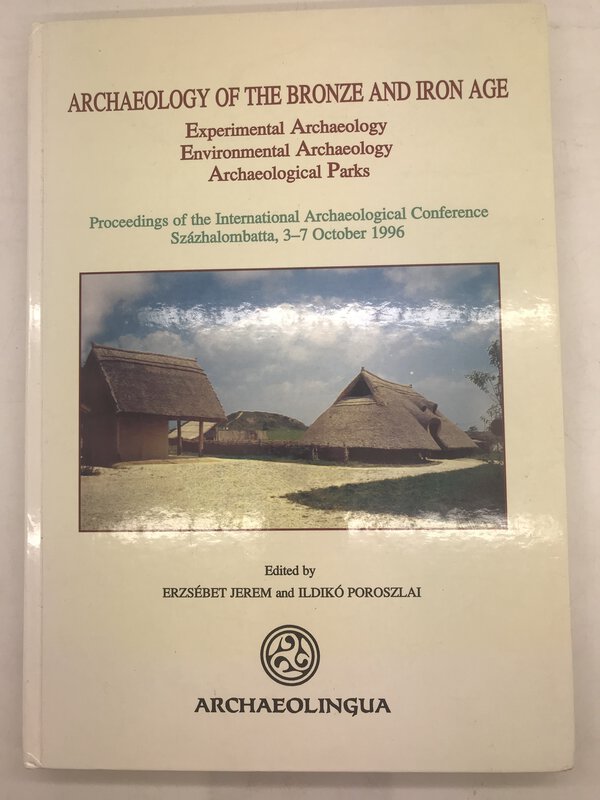
  • Archaeology of the Bronze and Iron Age: Experimental Archaeology, Environmental Archaeology, Archaeological Parks by JEREM, E. and POROSZLAI, I.
    JEREM, E. and POROSZLAI, I.
    Archaeology of the Bronze and Iron Age: Experimental Archaeology, Environmental Archaeology, Archaeological Parks Proceedings of the International Archaeological Conference 1996

    Budapest: Archaeolingua, 1999. Hardback book. No dust jacket, so as was produced. Proceedings of the International Archaeological Conference 1996, which took place at the 'Matrica' Museum in Százhalombatta (Hungary). In both English and German text, on high gloss paper. 488 pages. Good clean condition, both inside and out. This work is a wide range of papers, with various information and interpretations; its aim to transcend the limits of traditional archaeology.

    Book ID: 2835
    View basket More details Price: £20.00
  • Athlétisme et gymnastique suédoise. by LE ROY, Georges
    LE ROY, Georges
    Athlétisme et gymnastique suédoise.

    Pierre Lafitte, 1913. Beautiful edition of this work. From the Sports Bibliothèque series. Three quarter leather, with marbled boards, and decoration to the spine and gilt titles. Adorned with 48 pages of photographic illustrations. Although not stated, this has the uneven size and cut of high quality paper, and would seem to be a luxury edition. Light foxing, but overall an attractive copy. Text in French. viii, 370 pages. 220 x 160 mm (8¾ x 6¼ inches). Belle édition de cet ouvrage. De la série Sports Bibliothèque. Trois quarts de cuir, à plats marbrés, et décor au dos et titres dorés. Orné de 48 pages d'illustrations photographiques. Bien que cela ne soit pas indiqué, cela a la taille et…

    (more)

    Pierre Lafitte, 1913. Beautiful edition of this work. From the Sports Bibliothèque series. Three quarter leather, with marbled boards, and decoration to the spine and gilt titles. Adorned with 48 pages of photographic illustrations. Although not stated, this has the uneven size and cut of high quality paper, and would seem to be a luxury edition. Light foxing, but overall an attractive copy. Text in French. viii, 370 pages. 220 x 160 mm (8¾ x 6¼ inches). Belle édition de cet ouvrage. De la série Sports Bibliothèque. Trois quarts de cuir, à plats marbrés, et décor au dos et titres dorés. Orné de 48 pages d'illustrations photographiques. Bien que cela ne soit pas indiqué, cela a la taille et la coupe inégales du papier de haute qualité, et semblerait être une édition de luxe. Légères rousseurs, mais dans l'ensemble bel exemplaire. Texte en français. viii, 370 pages. 220 x 160 mm

    (less)
    Book ID: 3156
    View basket More details Price: £70.00
  • Beautes de l'histoire naturelle de Buffon, ou Lecons sur les moeurs et sur l'industrie des animaux, par L. Cotte by BUFFON, Georges-Louis Leclerc., Lacépède, Étienne de., & Cotte, Louis.
    BUFFON, Georges-Louis Leclerc., Lacépède, Étienne de., & Cotte, Louis.
    Beautes de l'histoire naturelle de Buffon, ou Lecons sur les moeurs et sur l'industrie des animaux, par L. Cotte Complete in two volumes

    Paris: Impr. de A. Delalain, 1819. Second edition. 2 volumes. Complete. Contemporary full leather bindings with gilt to burgundy labels. The bindings are a little rubbed, but still sound. Volume I deals with quadrupeds, viviparous and oviparous, Reptiles and Fish. Volume II with Birds and insects. Pages and plates are clean and tidy, with just a little darkening. 22 plates contain 174 figures, across the two volumes (13 in volume I and 9 in Volume 2). The 1st edition appeared in 1799, without Buffon's name, under the title "Leçons d'histoire naturelle." 16, 276., 12, 420 pages. 170 by 100mm (6¾ by 4 inches).

    . Deuxième édition. 2 volumes. Complets. Reliures contemporaines en plein cuir avec étiquettes dorées sur fond…

    (more)

    Paris: Impr. de A. Delalain, 1819. Second edition. 2 volumes. Complete. Contemporary full leather bindings with gilt to burgundy labels. The bindings are a little rubbed, but still sound. Volume I deals with quadrupeds, viviparous and oviparous, Reptiles and Fish. Volume II with Birds and insects. Pages and plates are clean and tidy, with just a little darkening. 22 plates contain 174 figures, across the two volumes (13 in volume I and 9 in Volume 2). The 1st edition appeared in 1799, without Buffon's name, under the title "Leçons d'histoire naturelle." 16, 276., 12, 420 pages. 170 by 100mm (6¾ by 4 inches).

    . Deuxième édition. 2 volumes. Complets. Reliures contemporaines en plein cuir avec étiquettes dorées sur fond bordeaux. Les reliures sont un peu frottées, mais restent saines. Le volume I traite des quadrupèdes, vivipares et ovipares, des reptiles et des poissons. Le volume II traite des oiseaux et des insectes. Les pages et les planches sont propres et nettes, avec juste un petit assombrissement. 22 planches contiennent 174 figures, réparties sur les deux volumes (13 dans le volume I et 9 dans le volume 2). La première édition est parue en 1799, sans le nom de Buffon, sous le titre "Leçons d'histoire naturelle". 16, 276. 12, 420 pages. 170 x 100 mm

    (less)
    Book ID: 4214
    View basket More details Price: £280.00
  • Bilder zum Anschauungs-Unterricht für die Jugend by SCHREIBER, J. F.
    SCHREIBER, J. F.
    Bilder zum Anschauungs-Unterricht für die Jugend Erster Theil & Dritter Theil

    Esslingen am Neckar: J.F. Schreiber, 1840. Differing editions. Two volumes (of five) of these hand coloured sheets for children. Each is complete in itself. We offer the first part, published in 1840, and the third part, in 1844. Despite the title on the first part (which claims that it is concerned with poisonous plants), this second edition printing is concerned with objects around the house, buildings, animals, and particularly a large number of birds. Six pages of contents (in gothic script German) outline in detail what is shown on each plate. The second part is showing "foreign natural objects arranged by geographical location". There is a foreword by Schmid, then an alphabetical index. There are then descriptions in detail…

    (more)

    Esslingen am Neckar: J.F. Schreiber, 1840. Differing editions. Two volumes (of five) of these hand coloured sheets for children. Each is complete in itself. We offer the first part, published in 1840, and the third part, in 1844. Despite the title on the first part (which claims that it is concerned with poisonous plants), this second edition printing is concerned with objects around the house, buildings, animals, and particularly a large number of birds. Six pages of contents (in gothic script German) outline in detail what is shown on each plate. The second part is showing "foreign natural objects arranged by geographical location". There is a foreword by Schmid, then an alphabetical index. There are then descriptions in detail of the sheets in German (pages 1-18). Following this are descriptions in French (pages 1-9). Then the plates. These are split into the North (ie polar) Plates 1-4; Asia. Plates 5-12; Africa, plates 13-21; America (north and south) plates 22-28; and finally Oceania, plates 29-30. This scarce children's collection of prints, each contains 30 double page sheets, with hand coloured illustrations of different subjects. So here we are offering 60 double plate sheets. The binding is in old paper covered stiff card, with bumping and loss of surface paper. The spine has been renewed quite some time ago with archival cloth. No titles. The contents for the first few pages are breaking away from the binding - but still holding together. The plates themselves, although bright and attractive, have loss to edges and closed tears to quite a few of the pages. Most of the loss is to the margins (but one sheet has lost a portion of illustration. The sheets improve as the book goes on, so towards the rear, they are mainly in good plus condition. There are some lovely designs and illustrations throughout, particularly to the second volume here. Of particular note, is that several of the America plates are showing slaves working in the plantations. The part of the natural history of the world is full of lovely regional illustrations. Overall, an acceptable copy of a very scarce item. (we can find no copies for sale at the time of cataloguing). 32cm x 22cm.

    . Éditions différentes. Deux volumes (sur cinq) de ces feuilles colorées à la main pour les enfants. Chacun est complet en soi. Nous proposons la première partie, publiée en 1840, et la troisième partie, en 1844. Malgré le titre de la première partie (qui prétend traiter des plantes vénéneuses), cette deuxième édition traite des objets de la maison, des bâtiments, des animaux, et en particulier d'un grand nombre d'oiseaux. Six pages de table des matières (en caractères gothiques allemands) décrivent en détail ce qui est représenté sur chaque planche. La deuxième partie présente des "objets naturels étrangers classés par emplacement géographique". Il y a un avant-propos de Schmid, puis un index alphabétique. Viennent ensuite les descriptions détaillées des planches en allemand (pages 1 à 18). Suivent les descriptions en français (pages 1-9). Viennent ensuite les planches. Celles-ci sont réparties entre le Nord (c'est-à-dire les plaques polaires), les plaques 1 à 4 ; l'Asie. Plaques 5-12 ; Afrique, plaques 13-21 ; Amérique (nord et sud) plaques 22-28 ; et enfin Océanie, plaques 29-30. Cette rare collection d'estampes pour enfants contient chacune 30 doubles pages, avec des illustrations colorées à la main sur différents sujets. Nous proposons donc ici 60 doubles pages. La reliure est en carton rigide recouvert de papier ancien, avec des bosses et des pertes de papier en surface. Le dos a été renouvelé il y a quelques temps avec du tissu d'archivage. Pas de titres. Le contenu des premières pages se détache de la reliure, mais tient encore ensemble. Les planches elles-mêmes, bien que brillantes et attrayantes, présentent des pertes sur les bords et des déchirures fermées sur un certain nombre de pages. La plupart des pertes se situent dans les marges (mais une feuille a perdu une partie de l'illustration). L'état des feuilles s'améliore au fur et à mesure que le livre avance, de sorte que vers la fin, elles sont pour la plupart en bon état. Il y a de jolis dessins et illustrations tout au long de l'ouvrage, en particulier dans le deuxième volume. Il est intéressant de noter que plusieurs des planches d'Amérique montrent des esclaves travaillant dans les plantations. La partie consacrée à l'histoire naturelle du monde est remplie de belles illustrations régionales. Dans l'ensemble, un exemplaire acceptable d'un ouvrage très rare. (nous n'avons trouvé aucun exemplaire en vente au moment du catalogage). 32cm x 22cm.

    (less)
    Book ID: 5170
    View basket More details Price: £500.00
  • Catalogue of the Library of the Massachusetts Horticultural Society. Two parts in one volume. by [ANON]
    [ANON]
    Catalogue of the Library of the Massachusetts Horticultural Society. Two parts in one volume. Part 1. Alphabetical list of authors and titles & Part 2. Subject catalogue

    Mansfield CT: Maurizio Martino, 1995. Limited to 150 copies. Facsimile of the 1918-1920 Cambridge University Press edition. In original green cloth with gilt title to spine. No dust wrapper, as issued. 587 pp. 280 x 220 mm (11 x 8¾ inches). In very good condition. Pages clean and binding tight.

    Book ID: 2090
    View basket More details Price: £35.00
  • Coi Opera Omnia.Graece & Latine Edita, Van der Linden by HIPPOCRATIS, Magni
    HIPPOCRATIS, Magni
    Coi Opera Omnia.Graece & Latine Edita, Van der Linden

    Lugduni Batavorum [Leiden]: Apud Danielem, Abrahamum & Adrianum á Gaasbeeck, 1665. First edition (Leiden edition of van der Linden). Two volumes. Engraved title and engraved portrait of Hipocrates to the front of volume one. Full brown leather binding with simple gilt decoration and titles to the spine. Both volumes have a little rubbing to the spine, and with loss to the top surface leather on the spine (worse to volume 1 - see photographs). A few historiated initials and small vignettes throughout each volume. Dedication to the front of volume one. All edges gilt. Internally clean and tidy with a little darkening only. Text in Greek and Latin. Of particular interest in this copy is the ownership history. To…

    (more)

    Lugduni Batavorum [Leiden]: Apud Danielem, Abrahamum & Adrianum á Gaasbeeck, 1665. First edition (Leiden edition of van der Linden). Two volumes. Engraved title and engraved portrait of Hipocrates to the front of volume one. Full brown leather binding with simple gilt decoration and titles to the spine. Both volumes have a little rubbing to the spine, and with loss to the top surface leather on the spine (worse to volume 1 - see photographs). A few historiated initials and small vignettes throughout each volume. Dedication to the front of volume one. All edges gilt. Internally clean and tidy with a little darkening only. Text in Greek and Latin. Of particular interest in this copy is the ownership history. To the front of each volume is the paper ex libris of Syston Park, the celebrated library of Sir John Thorold. This library was largely dispersed by Sothebys in 1884 (although this copy does not appear to have been in that sale). The is also the small leather label of Huth Library "Ex Musaeo Huthii". This library was begun by Henry Huth (1815-1878) and continued by his son Alfred H. Huth. The Library was dispersed by Sotheby's in a number of sales between 1911 and 1920. Finally there is an ownership mark of John Burns dated 1920. Collation: *-***4, A-Lll8., [2], a-ttt6, (index) a-i3. pp = [38], 1-878[ii]., [4], 1-1034, [130]. pages. 200 by 125mm (7¾ by 5 inches).

    . First edition (van der Linden's Leiden edition). Two volumes. Engraved title and engraved portrait of Hipocrates at the beginning of the first volume. Bound in full brown leather with gilt decoration and titles on spine. Both volumes show some rubbing to the spine and loss of the upper surface of the spine leather (worse for volume 1 - see photographs). A few historiated initials and small vignettes in each volume. Dedication at the beginning of the first volume. All edges gilt. The interior is clean and tidy, with only minor darkening. The ownership history of this copy is particularly interesting. At the beginning of each volume is the ex libris paper of Syston Park, the famous library of Sir John Thorold. This library was largely dispersed by Sothebys in 1884 (although this copy does not appear to have been part of that sale). There is also the small leather label of the Huth library "Ex Musaeo Huthii". This library was founded by Henry Huth (1815-1878) and continued by his son Alfred H. Huth. The library was dispersed by Sotheby's in several sales between 1911 and 1920. Finally, there is a John Burns ownership mark dating from 1920. Collation: *-***4, A-Lll8, [2], a-ttt6, (index) a-i3. pp = [38], 1-878[ii], [4], 1-1034, [130]. pages. 200 by 125mm.

    (less)
    Book ID: 4458
    View basket More details Price: £550.00
  • Commentarium de Urethrae Corporis Glandisque Structura by MORESCHII, Alexandri. [MORESCHI, Alessandro]
    MORESCHII, Alexandri. [MORESCHI, Alessandro]
    Commentarium de Urethrae Corporis Glandisque Structura

    Mediolani / Milan: Ex Tipografia Joannis Pirottae, 1817. First edition of this large and important work on the structure of the urethra. Four large engraved plates by Filippo Bedetti, engraved by Carlo Della Rocca, to the rear of the book. Green softback covers with some marking to the cover. The paper on the spine has has considerable loss, but the binding is still holding well. Internally mainly clean, with a little marking, foxing and few small worm holes. Plates have light staining to the edges, but still mainly clean and tidy. A scarce item. xii, 60 pp. 460 x 330 mm (18 x 13 inches). In the beginning of the 19th century, when both vascular and cellular texture theories…

    (more)

    Mediolani / Milan: Ex Tipografia Joannis Pirottae, 1817. First edition of this large and important work on the structure of the urethra. Four large engraved plates by Filippo Bedetti, engraved by Carlo Della Rocca, to the rear of the book. Green softback covers with some marking to the cover. The paper on the spine has has considerable loss, but the binding is still holding well. Internally mainly clean, with a little marking, foxing and few small worm holes. Plates have light staining to the edges, but still mainly clean and tidy. A scarce item. xii, 60 pp. 460 x 330 mm (18 x 13 inches). In the beginning of the 19th century, when both vascular and cellular texture theories concerning the penis structure were still coexisting, three figures were involved in the controversy about the priority of the discovery of the vascular nature of human erectile tissues: Paolo Mascagni (1755-1815), represented by his pupil Tommaso Farnese (1780-1829), and Alessandro Moreschi (1771-1826). In the Elogio del celebre anatomico Paolo Mascagni (1816), Farnese attributed to his mentor the demonstration in 1809 of the continuity between arteries and veins and the description of venous plexuses, this term replacing the previous (and misleading) name of spongy body attributed to the inner part of penis. But in 1817 Moreschi inflamed the dispute, claiming for the priority of that discovery, with the publication of his anatomical work and a polemical essay against Farnese. Farnese promptly replied with Note addizionali del Dottore Tommaso Farnese al suo elogio di Paolo Mascagni (1818), where he reported a meeting with Moreschi in Bologna in 1810. On that occasion, Farnese explained a Mascagni's technique to perfuse urethral blood vessels that Moreschi would have plagiarized. Furthermore, Farnese also included eight testimonies claiming to have seen Mascagni performing such injections before 1810. The Prodromo della grande anatomia, a posthumous work of Mascagni edited in 1819, includes a plate dedicated to the structure of the urethra and a comprehensive view of this scientific story. In short, Mascagni developed a technique to inject urethral blood vessels, but Moreschi was the first to publish an accurate work on this subject. For this reason, many Italian and international authors have attributed to the latter the discovery of the venous circulation of the urethra. Edition originale de ce grand et important ouvrage sur la structure de l'urètre. Quatre grandes planches gravées par Filippo Bedetti, gravées par Carlo Dellarocca, au dos du livre. Couvertures vertes avec quelques marques sur la couverture. Le papier sur le dos a une perte considérable, mais la reliure tient toujours bien. Intérieur principalement propre, avec un peu de marquage, des rousseurs et quelques petits trous de vers. Les assiettes ont de légères taches sur les bords, mais restent généralement propres et bien rangées. Un objet rare. xii, 60 pages.
    Au début du XIXe siècle, lorsque les théories de la texture vasculaire et cellulaire concernant
    la structure du pénis coexistaient encore, trois personnalités étaient impliquées dans la polémique sur la priorité de la découverte de la nature vasculaire des tissus érectiles humains : Paolo Mascagni (1755-1815), représenté par son élève Tommaso Farnese (1780-1829) et Alessandro Moreschi (1771-1826). Dans l'Elogio del celebre anatomico Paolo Mascagni (1816), Farnèse attribue à son mentor la démonstration en 1809 de la continuité entre les artères et les veines et la description des plexus veineux, ce terme remplaçant le nom précédent (et trompeur) de corps spongieux attribué à la partie interne du pénis. Mais en 1817, Moreschi enflamma la dispute, revendiquant la priorité de cette découverte, avec la publication de son ouvrage anatomique et d'un essai polémique contre Farnèse. Farnese a rapidement répondu avec Note addizionali del Dottore Tommaso Farnese al suo elogio di Paolo Mascagni (1818), où il a rapporté une rencontre avec Moreschi à Bologne en 1810. À cette occasion, Farnese a expliqué la technique de Mascagni pour perfuser les vaisseaux sanguins de l'urètre que Moreschi aurait plagié. En outre, Farnèse a également inclus huit témoignages affirmant avoir vu Mascagni effectuer de telles injections avant 1810. Le Prodromo della grande anatomia, un ouvrage posthume de Mascagni édité en 1819, comprend une planche consacrée à la structure de l'urètre et une vue complète de ce scientifique récit. Bref, Mascagni a mis au point une technique pour injecter des vaisseaux sanguins urétraux, mais Moreschi a été le premier à publier un ouvrage précis sur ce sujet. Pour cette raison, de nombreux auteurs italiens et internationaux ont attribué à ce dernier la découverte de la circulation veineuse de l'urètre.

    (less)
    Book ID: 3041
    View basket More details Price: £600.00
  • Compendium anatomicum nova methodo institutum : by CASE, John
    CASE, John
    Compendium anatomicum nova methodo institutum : ubi ars ipsa capitibus & divisionibus ita illustratur, ut omnia uno quasi intuitu conspiciantur, & eofirmiùs idcirco retineantur ; figuris æneis illustrata

    Amstelodami [Amsterdam]: Apud Georgium Gallet, 1696. A lovely copy of this first edition. Sadly, lacks the additional engraved title page (frontispiece)*. But has all seven of the plates as called for. Full contemporary leather binding with gilt decoration and label to the spine. Attractive binding. A little rubbing but overall in very good condition. The pages and plates are in excellent, good, clean condition. The title (printed in red and black with a vignette) has an ownership signature for Dr Menard dated 1700. There are a small number of neat inked marginalia in the same hand throughout the book. Text in Latin.

    John Case (c. 1660–1700) was an English astrologer and quack doctor. "Although there is no evidence…

    (more)

    Amstelodami [Amsterdam]: Apud Georgium Gallet, 1696. A lovely copy of this first edition. Sadly, lacks the additional engraved title page (frontispiece)*. But has all seven of the plates as called for. Full contemporary leather binding with gilt decoration and label to the spine. Attractive binding. A little rubbing but overall in very good condition. The pages and plates are in excellent, good, clean condition. The title (printed in red and black with a vignette) has an ownership signature for Dr Menard dated 1700. There are a small number of neat inked marginalia in the same hand throughout the book. Text in Latin.

    John Case (c. 1660–1700) was an English astrologer and quack doctor. "Although there is no evidence that Case ever acquired a medical qualification, he nonetheless took up the title of Doctor and set up a practice in Ludgate selling medications to the unsuspecting, unquestioning public. The term quack in the Middle Ages meant "shouting", as these charlatans used to sell their wares at markets by shouting to gain attention. Case advertised profusely his remedies over decades and the elevated price of his elixirs and remedies hints at a steady and affluent clientele, many of whom were seeking a cure for the clap. Despite predicting the end of the world, owning an illusionist apparatus to scare people with images of their departed friends and selling unproven medicines, he rose briefly to fame thanks to his Compendium Anatomicum. In here Case defended the opinion of William Harvey's 1651 De Generatione Animalium (On the generation of animals), where the renowned physician and scientist established several theories that would set the stage for modern embryology and addressed many embryological issues including conception, embryogenesis, and spontaneous generation. Case's work was so superior to his other books that some doubted his authorship." (from Gonville & Caius, Cambs. Online archive).

    *There seems some confusion about collation, and the lack of the engraved title seems common. The Wellcome foundation copy also lacks this. As do several old auction offerings (eg. Sothebys 1984). However other copies offered at auction have had this engraved title. [Wellcome II, 308; Russell 121 appears to include the frontispiece in the number of plates given] [XII], 192, [ii]. pages.

    . Un bel exemplaire de cette première édition. Malheureusement, il manque la page de titre gravée supplémentaire (frontispice)*. Mais les sept planches sont présentes comme prévu. Reliure en plein cuir de l'époque avec décoration et étiquette dorées au dos. Reliure attrayante. Un peu de frottement mais dans l'ensemble en très bon état. Les pages et les planches sont en excellent état. Le titre (imprimé en rouge et noir avec une vignette) porte une signature du Dr Menard datée de 1700. Il y a un petit nombre de marginalia encrés de la même main tout au long de l'ouvrage.

    John Case (c. 1660-1700) était un astrologue et un médecin charlatan anglais. "Bien qu'il n'y ait aucune preuve que Case ait jamais acquis une qualification médicale, il a néanmoins pris le titre de docteur et a ouvert un cabinet à Ludgate pour vendre des médicaments à un public sans méfiance et sans questionnement. Au Moyen Âge, le terme "charlatan" signifiait "crier", car ces charlatans avaient l'habitude de vendre leurs marchandises sur les marchés en criant pour attirer l'attention. Case a fait de la publicité à profusion pour ses remèdes pendant des décennies et le prix élevé de ses élixirs et remèdes témoigne d'une clientèle régulière et aisée, dont beaucoup cherchaient un remède contre la claudication. Bien qu'il ait prédit la fin du monde, qu'il ait possédé un appareil d'illusionnisme pour effrayer les gens avec des images de leurs amis décédés et qu'il ait vendu des médicaments non éprouvés, il a connu une brève gloire grâce à son Compendium Anatomicum. Dans cet ouvrage, Case défend l'opinion de William Harvey sur De Generatione Animalium (Sur la génération des animaux), publié en 1651, où le médecin et scientifique renommé établit plusieurs théories qui ouvriront la voie à l'embryologie moderne et abordent de nombreuses questions embryologiques, notamment la conception, l'embryogenèse et la génération spontanée. Le travail de Case était tellement supérieur à ses autres ouvrages que certains ont douté de sa paternité". (extrait des archives en ligne de Gonville & Caius, Cambs).

    *Il semble qu'il y ait une certaine confusion au sujet de la collation, et l'absence du titre gravé semble courante. L'exemplaire de la fondation Wellcome en est également dépourvu. De même que plusieurs anciennes offres de vente aux enchères (par exemple, Sothebys 1984). Cependant, d'autres exemplaires proposés aux enchères portaient ce titre gravé. [Wellcome II, 308 ; Russell 121 semble inclure le frontispice dans le nombre de planches indiqué] [XII], 192, [ii]. pages.

    (less)
    Book ID: 4468
    View basket More details Price: £700.00
  • An association copy of this classic work belonging to Baron Georges Cuvier, the father of Palaeontology
    De Bononiensi Scientiarum et Artium Instituto atque Academia. by Accademia delle scienze dell' Istituto di Bologna.
    Accademia delle scienze dell' Istituto di Bologna.
    De Bononiensi Scientiarum et Artium Instituto atque Academia.

    Bononiae: ex Typographia Lelii a Vulpe. The first five full volumes in this series, containing: Volume 1) Printed 1748 (reprint) [viii], 1-645pp Contains engraved title and 9 full page or folding plates. In two parts. The Commentaria (p1-297) and the Opuscula (301-645). This second part includes the important treatise by Eustachii Manfredd (p599-641 and 2 of the plates) entitled 'De novissimis circa fixorum siderum errores observationibus'. This confirmed James Bradley's hypothesis about astronomical phenomena, and together they provided the first evidence of the Earth's movement around the Sun (Ie the first scientific confirmation of Copernicus' work). (2) Vol. II Part I. printed 1745 (1st edition - possibly later impression as errate shows amendments to August 1745). [vi], 1-506 [ii].…

    (more)

    Bononiae: ex Typographia Lelii a Vulpe. The first five full volumes in this series, containing: Volume 1) Printed 1748 (reprint) [viii], 1-645pp Contains engraved title and 9 full page or folding plates. In two parts. The Commentaria (p1-297) and the Opuscula (301-645). This second part includes the important treatise by Eustachii Manfredd (p599-641 and 2 of the plates) entitled 'De novissimis circa fixorum siderum errores observationibus'. This confirmed James Bradley's hypothesis about astronomical phenomena, and together they provided the first evidence of the Earth's movement around the Sun (Ie the first scientific confirmation of Copernicus' work). (2) Vol. II Part I. printed 1745 (1st edition - possibly later impression as errate shows amendments to August 1745). [vi], 1-506 [ii]. pp Engraved title. Commentaria. No plates (none called for). (3) Vol. II part II. Printed 1746. (1st edition errata to July 27th 1746). Viii, 1-406 [ii]. pp Engraved title and 24 engraved plates (complete), (including some lovely plates of the natural world, and some muscle and artery illustrations). This volume sees the first printing of the first volume of 'Opusculorum ad res physicas et mathematicas pertinentium,' introducing hyperbolic functions. In this paper, Riccati derives the law of composition of forces by using the principle of virtual velocities. (4) Vol II part III. printed printed 1747. (1st edition, errata to August 1747). viii, 1-568, [ii]. pp. Engraved title and 15 plates (mainly of mathematical or astronomical topics). 95) Vol. III. printed 1755. (1st edition. Errata to June 1754). [vi], 1-509, [i]. pp. Engraved title. Dedication to Pope Benedict XIV, with a rather lovely vignette initial to this. 13 engraved plates including mathematics, natural history and anatomy. All five volumes are in full calf, with gilt titles and decoration to the spines. Each volume is complete (although there were to be later volumes added to this set until 1791). Internally, each volume is in very good condition, with sound binding. Light to moderate foxing to the pages (including the plates). This set belonged to Georges Cuvier, the celebrated French naturalist, and his stamp appears to the title page of each volume. Cuvier is sometimes referred to as the "founding father of Palaeontology" An opponent of early theories of Evolution (long before Darwin's) he believed that the earth went through cyclical creation and periods of extinction. He identified and named Mastodons and other dinosaurs, and postulated that the Earth went through a period where it was dominated by reptiles. Baron Cuvier was was the director of the Muséum national d'histoire naturelle in Paris intermittently between the years of 1808 and 1831. Each volume also has the discrete stamp of this museum, further reinforcing the provenance. No further library stamps through volumes.

    . Les cinq premiers volumes complets de cette série, contenant : Volume 1) Imprimé en 1748 (réimpression) [viii], 1-645pp Contient un titre gravé et 9 planches à pleine page ou dépliantes. En deux parties. Les Commentaria (p1-297) et les Opuscula (301-645). Cette seconde partie comprend l'important traité d'Eustachii Manfredd (p599-641 et 2 des planches) intitulé "De novissimis circa fixorum siderum errores observationibus". Ce document confirme l'hypothèse de James Bradley sur les phénomènes astronomiques et, ensemble, ils fournissent la première preuve du mouvement de la Terre autour du Soleil (c'est-à-dire la première confirmation scientifique du travail de Copernic). (2) Vol. II Partie I. imprimé en 1745 (1ère édition - peut-être une impression plus tardive car l'errate montre des amendements au mois d'août 1745). [vi], 1-506 [ii]. pp Titre gravé. Commentaires. Pas de planches (aucune n'a été demandée). (3) Vol. II partie II. Imprimé en 1746. (1ère édition errata au 27 juillet 1746). Viii, 1-406 [ii]. pp Titre gravé et 24 planches gravées (complètes), (y compris quelques belles planches du monde naturel, et quelques illustrations de muscles et d'artères). Ce volume est la première impression du premier volume de 'Opusculorum ad res physicas et mathematicas pertinentium', qui présente les fonctions hyperboliques. Dans cet article, Riccati déduit la loi de composition des forces en utilisant le principe des vitesses virtuelles. (4) Vol II partie III. imprimé imprimé 1747. (1ère édition, errata à août 1747). viii, 1-568, [ii]. pp. Titre gravé et 15 planches (principalement des sujets mathématiques ou astronomiques). 95) Tome III. imprimé en 1755. (1ère édition. Errata à juin 1754). [vi], 1-509, [i]. pp. Titre gravé. Dédicace au Pape Benoît XIV, avec une jolie vignette initiale. 13 planches gravées comprenant des mathématiques, de l'histoire naturelle et de l'anatomie. Les cinq volumes sont en plein veau, avec des titres et des décorations dorés au dos. Chaque volume est complet (bien que des volumes ultérieurs aient été ajoutés à cet ensemble jusqu'en 1791). A l'intérieur, chaque volume est en très bon état, avec une reliure saine. Des rousseurs légères à modérées sont présentes sur les pages (y compris sur les planches). Cet ensemble a appartenu à Georges Cuvier, le célèbre naturaliste français, et son cachet apparaît sur la page de titre de chaque volume. Cuvier est parfois considéré comme le "père fondateur de la paléontologie". Opposant aux premières théories de l'évolution (bien avant celles de Darwin), il pensait que la Terre connaissait une création cyclique et des périodes d'extinction. Il a identifié et nommé des mastodontes et d'autres dinosaures, et a postulé que la Terre avait connu une période où elle était dominée par les reptiles. Le baron Cuvier a été directeur du Muséum national d'histoire naturelle à Paris par intermittence entre les années 1808 et 1831. Chaque volume porte également le cachet discret de ce musée, ce qui renforce encore la provenance. Aucun autre cachet de bibliothèque n'a été apposé sur les volumes.

    (less)
    Book ID: 3382
    View basket More details Price: £2,200.00